Periodontology
What is periodontology?
Periodontology is a branch of dentistry that focuses on the prevention, diagnosis, and treatment of periodontal diseases, which affect the tissues supporting the teeth (gums, periodontal ligaments, and alveolar bone). The goal of periodontal treatments is to halt the progression of periodontal disease, which can lead to tooth loss if not treated in time.The Benefits of Periodontal Treatment
- Prevention of Tooth Loss: Periodontal treatment combats gum inflammation and helps stabilize the tissues that support the teeth, preventing tooth loss.
- Elimination of Gum Bleeding: Periodontal treatment helps stop gum bleeding caused by gingivitis or periodontitis.
- Reduction of Bad Breath: Good oral hygiene and periodontal treatment can significantly reduce bad breath.
- Improvement of General Health: Good oral health is essential for the overall health of the body, and periodontal treatment helps maintain this condition.
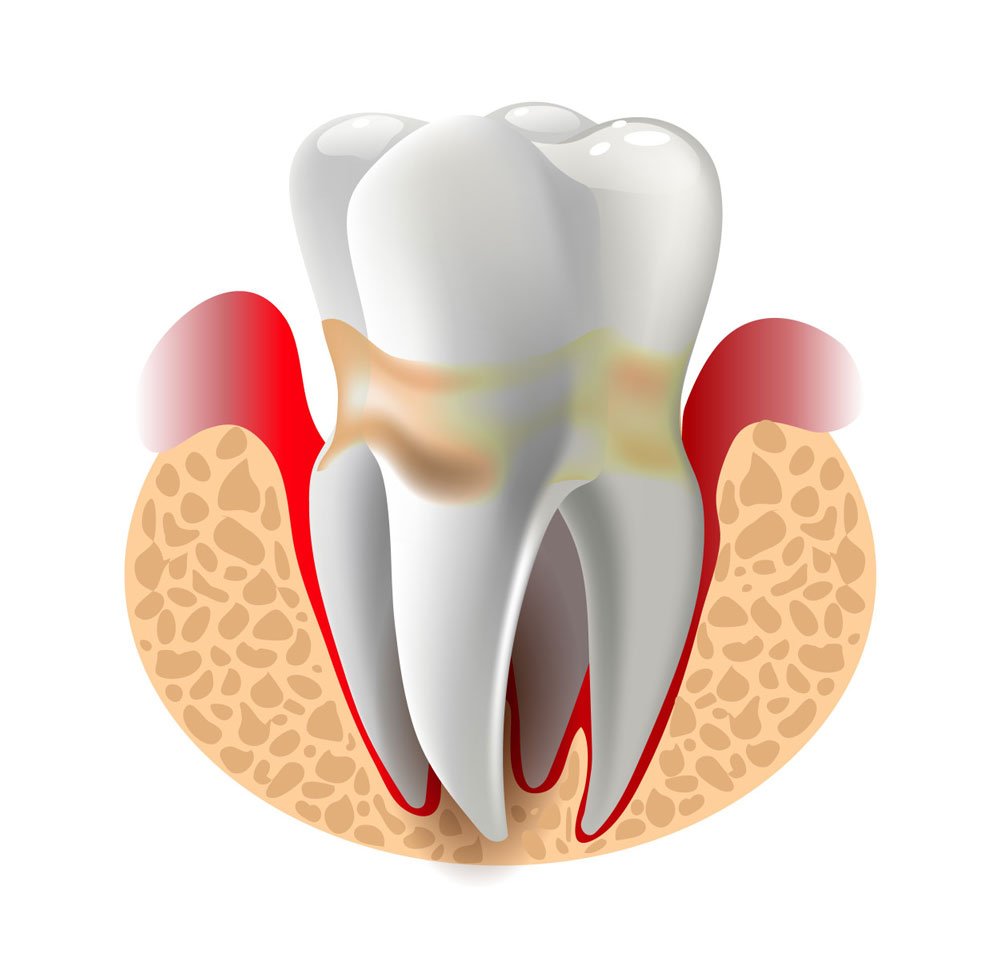
Find out the stages of periodontal treatment.
- Evaluation and Diagnosis: The dentist will examine the gums and teeth to determine the degree of periodontal disease and will establish the appropriate treatment plan.
- Professional Cleaning: A periodontal treatment begins with the removal of tartar and bacterial plaque through scaling and professional brushing.
- Periodontal Surgery: In severe cases, surgical intervention may be necessary, such as gingivectomy or periodontal tissue regeneration.
- Maintenance Therapy: After treatment, it is important to maintain good oral hygiene and attend regular check-ups to prevent the recurrence of periodontal disease.
La Apolodor Dental Clinic, ne asigurăm că tratamentul parodontal este realizat în condiții optime, folosind tehnologii moderne și personal calificat. Ne dorim să îți oferim cele mai bune soluții pentru sănătatea orală și să te ajutăm să păstrezi zâmbetul frumos și sănătos.
After periodontal treatment
- Adopt a rigorous oral hygiene routine, brush your teeth at least twice a day, and use dental floss daily.
- Avoid smoking and excessive alcohol consumption, as they can worsen periodontal conditions.
- Maintain a balanced diet rich in vitamins and minerals to support the health of your gums and teeth.
- Attend regular dental check-ups to monitor the condition of your gums and teeth and for professional cleanings.
Frequently Asked Questions (FAQ)
What is the difference between gingivitis and periodontitis?
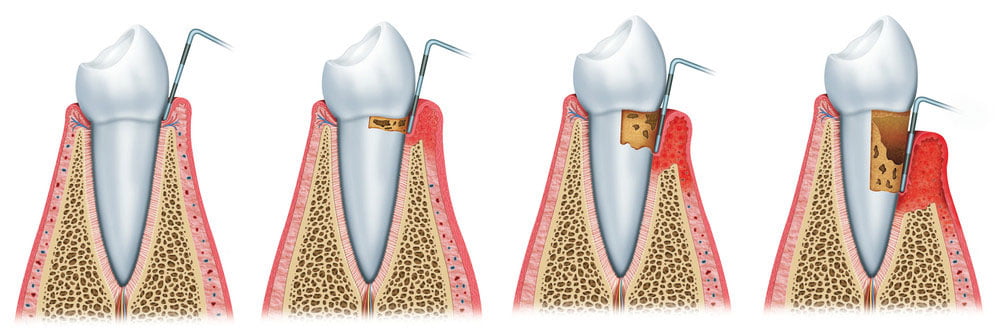
Gingivitis is the inflammation of the gums caused by the buildup of bacterial plaque and tartar. It is the initial stage of periodontal disease and is reversible with proper oral hygiene. Periodontitis is a more severe condition where the inflammation and infection extend to the supporting structures of the teeth, leading to the loss of bone and ligaments that hold the teeth in place.
How often should I have a periodontal check-up?
The frequency of periodontal check-ups depends on your oral health status and the risk of developing periodontal disease. Generally, it is recommended to have a periodontal check-up every six months. However, your dentist will create a specific schedule based on your individual needs.
How can I prevent periodontal disease?
Preventing periodontal disease involves maintaining proper oral hygiene by brushing regularly, using dental floss, and using antimicrobial mouthwashes. It is also important to attend regular check-ups and professional cleanings with your dentist.
Is periodontitis contagious?
While the bacteria that cause periodontitis can be transmitted through direct contact, such as kissing or sharing the same glass, the susceptibility to develop periodontal disease varies from person to person. Factors such as genetic predisposition, immune system function, and lifestyle can influence the risk of developing periodontal conditions.
How long does periodontal treatment take?
The duration of periodontal treatment depends on the severity of the condition and the methods used. Non-surgical treatments, such as scaling and professional cleaning, may take between 30 minutes to an hour per session, while surgical treatments may require more time and multiple visits to the dentist.
Is periodontal treatment painful?
Pain and discomfort associated with periodontal treatment depend on the procedure and the individual patient’s sensitivity. In general, non-surgical treatments are minimally painful, and any discomfort can be managed with local anesthesia or pain-relieving medications prescribed by the dentist. For surgical treatments, local anesthesia is used to ensure optimal comfort during the procedure.