Orthodontics
What is Orthodontics?
Orthodontics is a specialized branch of dentistry that focuses on diagnosing, preventing, and correcting dental misalignments and dentofacial abnormalities. Through orthodontic treatments, the goal is to improve both the aesthetic and functional aspects of the teeth, as well as the occlusion, which refers to how the teeth fit together when biting.Benefits of the Treatment
- Improvement of smile appearance and self-confidence.
- Correction of speech or eating problems caused by malocclusions.
- Prevention of premature wear of teeth and temporomandibular joint (TMJ) issues.
- Facilitating oral hygiene through proper alignment of the teeth, thereby reducing the risk of cavities and gum diseases.
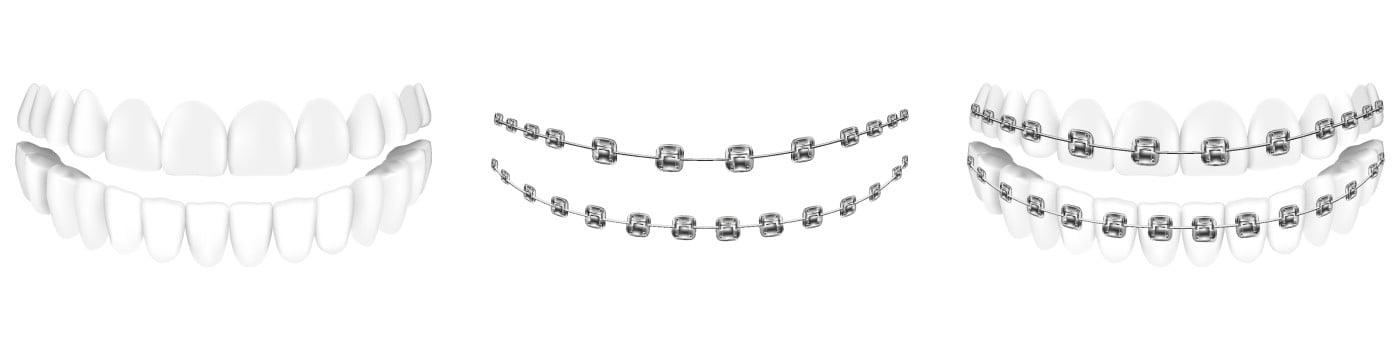
The dental braces are a medical device used to correct malocclusions and dental misalignments. They work by applying controlled force on the teeth, gradually shifting them into the desired position. This process takes place over several months or years, depending on the complexity of the case and the type of braces used.
At Apolodor Dental Clinic, we offer several types of dental braces to suit the needs and preferences of each patient:
- Metal Braces: This is the most traditional type of dental braces, made from stainless steel. It is effective, durable, and cost-effective, making it a popular option for children and teenagers.
- Sapphire Braces: These are transparent braces made from sapphire crystals, combining efficiency with aesthetics. They are less visible than metal braces, making them a suitable option for patients who are conscious of their appearance.
- Ceramic Braces: These are made from ceramic materials and have a color similar to that of natural teeth, making them more aesthetic. They are a popular option for patients who seek a discreet orthodontic treatment solution.
- Spark Braces: The Spark dental braces are an invisible alignment system made from clear, custom-made aligners for each patient.

Find out what the stages of orthodontic treatment are.
- Initial Consultation and Evaluation: This involves assessing the patient's needs and discussing treatment options. The orthodontist will examine the patient's teeth and jawbones, take X-rays, and make impressions of the teeth to determine the best treatment plan.
- Treatment Planning: Based on the initial evaluation, the orthodontist will create a detailed treatment plan, which will include the type of braces recommended, the duration of the treatment, and the associated costs.
- Braces Application: Once the treatment plan has been established and approved by the patient, the braces will be applied to the teeth. This process can take anywhere from one hour to several hours, depending on the type of braces being used.
- Periodic Adjustments: Throughout the treatment, the patient will need to visit the orthodontist periodically for adjustments to the braces. These visits are necessary to maintain the appropriate pressure on the teeth and ensure the progress of the treatment.
- Progress Monitoring: Throughout the treatment, the orthodontist will closely monitor the patient's progress and make adjustments to the treatment plan if necessary.
- Removal of the Braces: Once the treatment objectives have been achieved, the braces will be removed from the teeth. The removal process can take between 30 minutes to an hour, depending on the type of braces used.
After Orthodontic Treatment:
- Retention phase: After the braces are removed, the patient will enter the retention phase, during which they will wear a retention device to maintain the new position of the teeth. This device may be fixed or removable, depending on the orthodontist's recommendation. The patient will wear the retainer as instructed by the doctor, which may range from continuous wear to wearing it only at night.
- Follow-up visits: The patient will continue to attend periodic check-ups with the orthodontist to ensure that the retention device is working properly and that the teeth remain in the correct position. These visits may be scheduled at intervals ranging from a few months to several years, depending on the individual needs of the patient.
- Dental care: After completing orthodontic treatment, it is important to maintain proper dental hygiene to protect the health of the teeth and gums. This includes regular brushing, using dental floss, and periodic visits to the dentist for check-ups and professional cleaning.
- Prevention of dental problems: The patient must take steps to prevent the development of dental issues such as cavities or periodontal disease, which can affect the success of orthodontic treatment. This includes maintaining a balanced diet, avoiding excessive consumption of sugar and acidic drinks, and quitting harmful habits such as chewing hard objects or using teeth to open packages.
- Monitoring of occlusion and maxillary growth: In the case of younger patients or those who have had issues related to the development of the jawbones, the orthodontist will continue to monitor occlusion and maxillary growth to ensure that no new issues arise that could affect the treatment results.
Prin urmărirea acestor pași și menținerea unui angajament constant față de sănătatea dentară, pacientul se poate asigura că rezultatele tratamentului ortodontic vor dura pe termen lung și că zâmbetul său va rămâne sănătos și atractiv.
Frequently Asked Questions
At what age should orthodontic treatment begin?
Orthodontic treatment can begin at any age, but it is ideal to have an orthodontic evaluation around the age of 7. This allows the orthodontist to identify and intervene early in cases of jaw and teeth development issues.
How long does orthodontic treatment take?
The duration of orthodontic treatment depends on the complexity of the case, the type of braces used, and the patient’s age. Generally, treatment lasts between 1 and 3 years, but it can vary depending on the individual situation.
Is orthodontic treatment painful?
Patients may experience temporary discomfort after the braces are placed or adjusted, but in general, orthodontic treatment is not painful. Discomfort can be easily managed with mild pain relievers, such as ibuprofen, and should subside within a few days.
Does the braces interfere with speaking or eating?
There may be an adjustment period at first, where patients might have difficulty speaking and eating, but these issues usually resolve over time. The Spark invisible braces, for example, can be removed during meals, making eating easier.
How often do I need to visit for control during orthodontic treatment?
Typically, patients need to visit for check-ups every 4 to 8 weeks, depending on the orthodontist’s recommendations and the type of braces. These visits allow the doctor to monitor the treatment progress and make necessary adjustments.
How should I care for my braces and teeth during orthodontic treatment?
Oral hygiene is crucial during orthodontic treatment. Brush your teeth after every meal, use special floss for braces, and rinse with mouthwash. If you’re wearing invisible braces, make sure to clean and maintain them according to the dentist’s instructions.
After completing orthodontic treatment, will I need a retainer?
Yes, after completing orthodontic treatment, most patients will need a retainer. A retainer helps maintain the new position of the teeth and prevents relapse of the malocclusion. There are different types of retainers, such as fixed or removable ones. The orthodontist will recommend the appropriate retainer based on your individual needs and provide detailed instructions on how to care for and use it.
How long do I need to wear the retainer?
The duration for wearing a retainer varies depending on your case and the orthodontist’s recommendations. Generally, patients are advised to wear the retainer continuously for the first 6 to 12 months after completing orthodontic treatment, and then only at night for a longer period.
How can I know if I need orthodontic treatment?
The best way to determine if you need orthodontic treatment is to schedule a consultation with an orthodontist. At Apolodor Dental Clinic, our experienced team of orthodontists will examine your teeth and discuss your treatment goals and options to help you decide the best solution for your individual needs.