Endodontics
What does endodontics mean?
Endodontics is a dental treatment aimed at saving teeth affected by issues with the dental nerve, also known as the dental pulp. It involves removing the inflamed or infected dental pulp, cleaning, disinfecting, and sealing the root canal.The benefits of endodontic treatment
- Saving teeth: Endodontics allows you to preserve your natural teeth, avoiding extraction and the need for subsequent prosthetics.
- Pain relief: The treatment will relieve you from the pain caused by inflammation or infection of the dental pulp.
- Prevention of infection spread: Endodontics prevents the spread of infection to surrounding tissues and throughout the rest of the body.
- Normal function: After treatment, you'll be able to eat, speak, and smile without any issues.

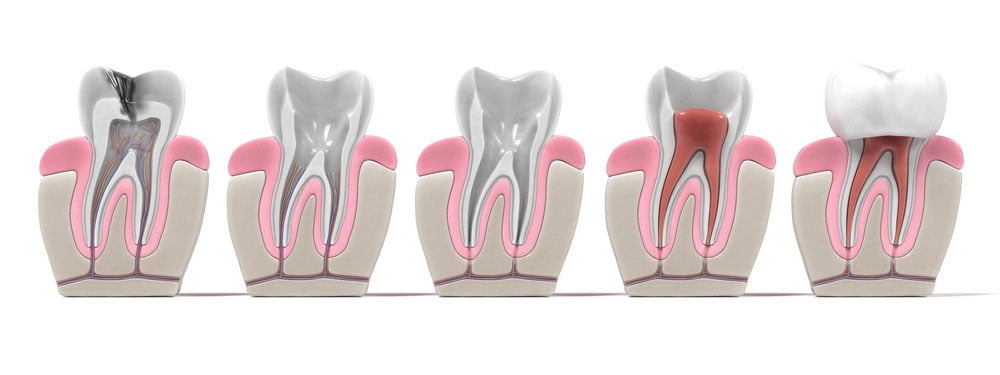
Find out the stages of endodontic treatment
- Evaluation and Diagnosis: The dentist will assess the condition of the tooth and determine if endodontic treatment is the right solution for you.
- Local Anesthesia: Before the treatment begins, you will receive local anesthesia to eliminate any discomfort.
- Accessing the Pulp: The dentist will create an opening in the crown of the tooth to access the dental pulp.
- Removal of the Pulp:The affected pulp will be removed, and the root canal will be cleaned and disinfected.
- Sealing the Canal: After cleaning, the canal will be filled with a special material and sealed to prevent re-infection.
- Tooth Reconstruction: Finally, a temporary or permanent restoration (filling, crown, etc.) will be applied to the tooth to restore its shape and functionality.
After endodontic treatment
To ensure that the endodontic treatment has long-lasting effects, it is important to follow a few recommendations after the procedure is completed:
- Avoid chewing or biting with the treated tooth until the permanent restoration is placed.
- Maintain good oral hygiene by brushing regularly and using dental floss.
- Follow regular check-up appointments with your dentist to monitor the condition of the tooth and identify any early issues.
- Adopt a healthy lifestyle and a balanced diet to maintain your overall health, including your dental health.
Frequently Asked Questions
How do I know if I need endodontic treatment?
Signs that you may need endodontic treatment include severe tooth pain, prolonged sensitivity to heat or cold, swelling, or abscesses near the affected tooth. It is important to consult a dentist for a proper evaluation and accurate diagnosis.
How painful is endodontic treatment?
With the help of local anesthesia, endodontic treatment itself is not painful. After the treatment, you may experience temporary discomfort, which can be managed with medication prescribed by your dentist.
How long does an endodontic treatment take?
The duration of endodontic treatment depends on the complexity of the case and the number of root canals in the tooth. Generally, an endodontic treatment can be completed in one or more sessions, with each session lasting between 30 minutes and 2 hours.
What is the success rate of endodontic treatment?
The success rate of endodontic treatment is generally very high, with an average of about 90-95%. However, success depends on various factors, such as the condition of the tooth, the degree of infection, and the quality of the treatment.
What happens if endodontic treatment fails?
If endodontic treatment fails, there are additional options, such as retreatment (a second attempt to save the tooth) or endodontic surgery (apicoectomy). If neither of these options is viable, tooth extraction may be necessary, followed by a dental prosthesis or dental implant.
How long does a treated tooth last?
A tooth that has undergone endodontic treatment and been properly restored can last a lifetime with proper care. It is essential to maintain good oral hygiene and attend regular check-ups to ensure that the treated tooth and the rest of your teeth remain healthy.