Dental Surgery
What is dental surgery?
Dental surgery is a branch of dentistry that focuses on the interventional treatment of dental conditions and associated structures. It encompasses a wide range of procedures, from tooth extractions and dental implants to reconstructive surgeries and corrections of oro-maxillofacial defects.Benefits of Dental Surgery
- Treating Complex Dental Conditions: Dental surgery provides solutions for complex dental issues, such as bone fractures, tumors, and soft tissue injuries.
- Correction of Maxillofacial Deformities: Dental surgery can be used to correct maxillofacial deformities, such as cleft lip and palate.
- Replacement of Missing Teeth: Dental implants are an effective solution for replacing missing teeth and restoring functionality.
- Regaining Self-Confidence: A successful dental surgery can enhance physical appearance and help restore self-confidence.
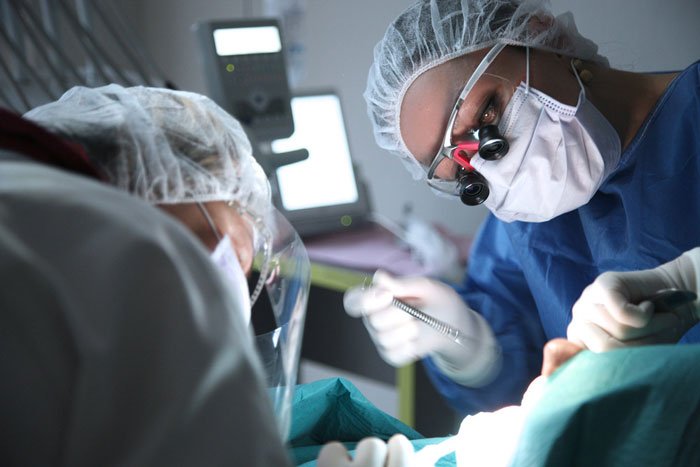
Find Out the Stages of a Dental Surgical Procedure
- Evaluation and Diagnosis: Before performing a surgical procedure, the dentist will assess the patient's oral health and determine the type of intervention required.
- Surgical Planning: The dentist will discuss the planned procedure with the patient, providing a detailed analysis of the risks and benefits, and preparing the patient for the intervention.
- Performing the Procedure: During the surgical intervention, the dentist will use specialized techniques to treat the condition and restore the functionality and natural appearance of the teeth and associated structures.
- Recovery and Post-Operative Care: The dentist will provide detailed instructions for post-operative care and schedule follow-up appointments to monitor recovery and prevent complications.
After the Surgical Procedure
After a dental surgical procedure, it is important to follow the dentist’s instructions and give yourself the necessary time to recover. Here’s what happens and what you need to do after such an intervention:
- Recovery Period: After the surgical procedure, you will need a recovery period to allow the affected area to heal. The duration of recovery varies depending on the type of procedure and your overall health condition.
- Post-Operative Care: Follow the dentist's instructions regarding post-operative care. This may include applying cold or warm compresses, taking pain and anti-inflammatory medications, and avoiding solid foods or hot beverages for a certain period of time.
- Oral Hygiene: Maintain proper oral hygiene, but be careful not to disturb the surgical area. Gently brush your teeth around the affected area and use a mouthwash solution or saline water to clean and prevent infections.
- Physical Activity: Avoid intense physical activities immediately after the procedure, as they can cause bleeding or delay the healing process. Discuss with your dentist when it is safe to return to your regular physical activities.
- Post-Operative Checkup: Visit your dentist for a post-operative checkup to evaluate the healing progress and discuss any questions or concerns you may have. The dentist may provide additional recommendations on how to care for the surgical area and prevent complications.
- Following Medical Recommendations: Make sure to follow all medical recommendations, including taking prescribed medications, avoiding smoking and alcohol, and maintaining a balanced diet to support quick and effective healing.
- Monitoring Symptoms: Be alert to signs of complications, such as excessive bleeding, severe pain, fever, excessive swelling, or unpleasant discharge. If you experience any of these symptoms, contact your dentist as soon as possible.
By following these steps and maintaining open communication with your dentist, you can ensure a quick and effective recovery after a dental surgical procedure.
Frequently Asked Questions (FAQs)
What are the risks of dental surgical procedures?
As with any surgery, there is a risk of complications, such as excessive bleeding, infection, and post-operative pain. However, these risks can be minimized by choosing an experienced dentist and following the post-operative care instructions.
What are the options for replacing missing teeth?
Options for replacing missing teeth include dental bridges, dentures, and dental implants. Dental implants are considered the best option because they provide a permanent and durable solution.
How long does recovery take after a dental surgical procedure?
Recovery time depends on the type of surgery and the patient’s health condition. Generally, patients can return to normal activities a few days after the procedure, but it is important to follow the dentist’s instructions and avoid intense physical activities until full healing is achieved.
How painful is a dental surgical procedure?
Most dental surgical procedures are performed under local anesthesia, so patients do not feel pain during the procedure. Post-operative pain can be managed with medications prescribed by the dentist.
What is the best way to prevent dental conditions that require surgery?
The best way to prevent dental conditions that require surgery is to maintain proper oral hygiene, which includes brushing teeth twice a day and using dental floss, eating a balanced diet with reduced sugar and sticky foods, and visiting the dentist regularly for check-ups and professional cleanings.
What is the difference between a simple extraction and a surgical extraction?
A simple extraction is a procedure in which teeth are removed through gentle traction, while a surgical extraction involves removing teeth through incisions and removing the surrounding soft and bone tissue. Surgical extractions are usually performed for impacted teeth or more complex conditions.
Can dental implants be used to replace front teeth?
Yes, dental implants can be used to replace front teeth and provide a durable and aesthetic solution for missing teeth.
What is the maxillary sinus and how can it be involved in dental surgeries?
The maxillary sinus is an air cavity located in the maxillary bone above the upper premolars and molars. In certain dental surgeries, such as dental implants, the bone around the maxillary sinus may be augmented using bone grafting techniques to provide the necessary support for the dental implant.