Dental prosthetics
What is Dental Prosthetics?
Dental prosthetics is a branch of dentistry that focuses on the restoration and replacement of missing or damaged teeth through the use of various types of dental prostheses. The goal of dental prosthetics is to improve oral health, function, and dental aesthetics.Benefits of Dental Prosthetics
- Restoration of Dental Function: Dental prostheses can restore the chewing and speaking functions of damaged or missing teeth.
- Improvement of Aesthetic Appearance: Dental prosthetics can enhance the appearance of the smile by replacing missing or damaged teeth with natural and aesthetic dental prostheses.
- Prevention of Dental Issues: Dental prostheses can help prevent dental issues associated with missing or damaged teeth, such as cavities and periodontal diseases.
- Improvement of Quality of Life: Dental prosthetics can enhance the quality of life by restoring the natural function and appearance of the teeth.
- Long-lasting Results: The materials used for creating dental crowns or prostheses ensure durability over time.
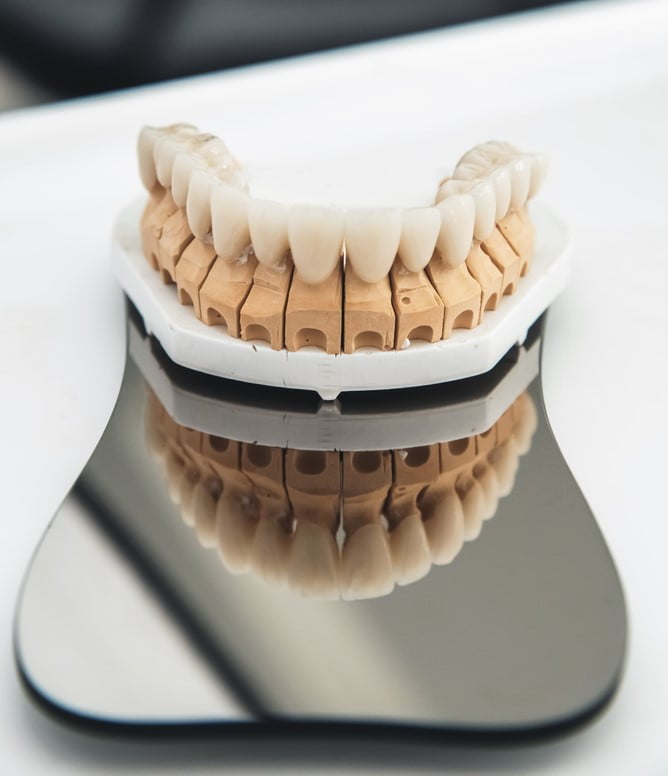
Dental Crowns
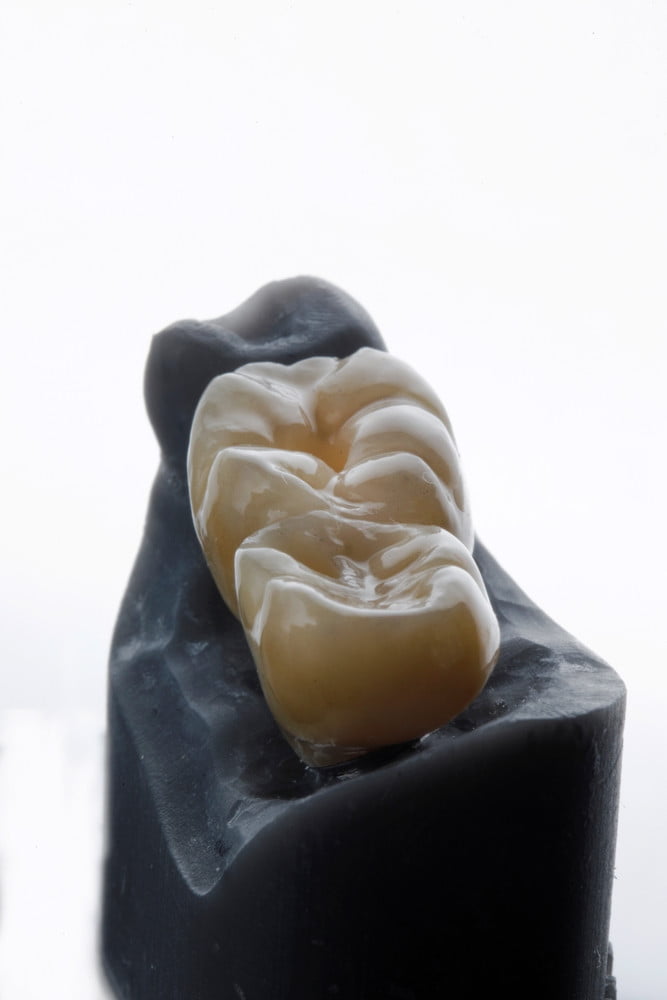
What Are Dental Crowns?
Dental crowns are dental restorations that cover damaged or missing teeth to restore both the function and natural appearance of the teeth. They are made from durable materials, such as ceramics, and are designed to match the shape and color of existing teeth.Who is the Ideal Candidate for Dental Crowns?
The ideal candidates for dental crowns are individuals with damaged or missing teeth who wish to restore both the function and natural appearance of their teeth.
Additionally, individuals suffering from dental conditions such as cavities and periodontal diseases may also be suitable candidates for dental crowns.
Benefits of Dental Crowns
- Restoration of dental function: Dental crowns can restore the chewing and phonetic function of damaged or missing teeth.
- Restoration of the natural appearance of teeth: Dental crowns can be customized to match the shape and color of existing teeth, thereby restoring the natural appearance of the teeth.
- Prevention of further tooth damage: Dental crowns can protect damaged teeth from further deterioration and tooth decay.
- Durability: Dental crowns are made from durable and resistant materials, providing a long-lasting solution for damaged or missing teeth.
- Long-lasting results: The materials used for making dental crowns or dentures ensure long-term durability.
Dental prostheses
What are dental prostheses?
Dental prostheses are medical devices used to replace missing or damaged teeth. They can be partial or full and are designed to match the shape and color of the existing natural teeth.Who is the ideal candidate for dental prostheses?
The ideal candidates for dental prostheses are individuals who have missing or damaged teeth and wish to restore the function and natural appearance of their teeth. Additionally, people who cannot benefit from other treatments, such as dental implants or crowns, may also be candidates for dental prostheses.Benefits of dental prostheses
- Restoration of dental function: Dental prostheses can restore the chewing and speaking function of damaged or missing teeth.
- Prevention of further tooth damage: Dental prostheses can protect existing teeth from further damage and tooth decay.
- Improvement of quality of life: Dental prosthetics can enhance quality of life by restoring the function and natural appearance of teeth.
- Improvement of oral aesthetics: Dentures can enhance the appearance of your smile by replacing missing or damaged teeth with natural-looking, aesthetic dental prosthetics.
Frequently Asked Questions
Can dentures be used to replace all missing teeth?
Yes, dentures can be used to replace all missing teeth. In the case of full dentures, they cover the entire dental arch and are designed to match the shape and color of the natural teeth and fit the patient’s facial features.
How are dentures maintained?
Dentures need to be properly cared for to maintain oral hygiene and prevent damage. In general, dentures should be cleaned with a soft toothbrush and warm water with soap after each meal. It is also recommended to use a special denture cleaning solution and to avoid abrasive cleaning products or hot water.
How long do dentures last?
The lifespan of dentures depends on how well they are maintained and used. Generally, dentures can last between 5 and 10 years or even longer with proper care.
Are dentures painful or uncomfortable?
Dentures may be uncomfortable at first as they require an adaptation period. Some mild pain or irritation may occur initially, but this should subside within a few days. It is important to consult with the dentist if discomfort persists.
Are dentures less effective than dental implants?
Dentures and dental implants are different solutions for replacing missing or damaged teeth. Generally, dental implants offer a more durable and stable solution than dentures, but they are not always an option for all patients. Depending on the individual case, the dentist may recommend dentures or dental implants for replacing missing or damaged teeth.
Can dentures be made to match the shape and color of natural teeth?
Yes, dentures can be customized to match the shape and color of the existing natural teeth and fit the patient’s facial features. At Apolodor Dental Clinic, we use advanced technologies and high-quality materials to create natural and aesthetic dentures for our patients.